
Animal Cruelty Is Prosecuted Aggressively in Cook County
The Chicago Police Department’s Animal Crimes Unit
In Cook County, the Chicago Police Department maintains a specialized animal crimes unit focused on investigating allegations of animal cruelty and animal abuse. This unit works closely with prosecutors, animal control, and animal welfare organizations to build cases against individuals accused of violating Illinois animal protection laws.
The involvement of a dedicated unit signals the serious approach local law enforcement takes toward these offenses. These are not charges that get dismissed easily.
Why These Charges Carry More Weight Than Defendants Expect
Animal cruelty charges in Illinois carry significant legal consequences that extend beyond fines or short jail terms. Defendants often underestimate the severity of these charges, which can result in:
- Felony convictions with prison time
- Mandatory psychological or psychiatric evaluation at the convicted person’s expense
- Court-ordered treatment programs
- Restrictions or lifetime bans on animal ownership
- Listing on the Illinois Animal Abuser Registry
The legal system in Cook County treats animal cruelty offenses with heightened scrutiny due to research linking animal abuse with broader patterns of violence.
Cook County’s Animal Abuser Registry
Illinois law includes provisions for an Animal Abuser Registry that tracks individuals convicted of certain animal cruelty offenses. Being listed on this registry leads to long-term consequences including prohibitions on owning, possessing, or residing with animals. The registry is a public record that impacts personal and professional life well after the sentence is completed.
Bottom Line: Animal cruelty charges are not minor offenses. They carry felony exposure, mandatory evaluations, and consequences that follow you permanently.
Can You Go to Jail for Animal Cruelty in Illinois?
Yes. Depending on the offense, animal cruelty in Illinois can result in significant jail or prison time:
| Offense | Classification | Potential Sentence |
|---|---|---|
| Cruel Treatment (first offense) | Class A Misdemeanor | Up to 1 year in jail |
| Neglect | Class B Misdemeanor | Up to 6 months in jail |
| Aggravated Cruelty (first offense) | Class 4 Felony | 1-3 years in prison |
| Aggravated Cruelty (subsequent) | Class 3 Felony | 2-5 years in prison |
| Animal Torture | Class 3 Felony | 2-5 years in prison |
| Animal Fighting | Class 4 Felony | 1-3 years in prison |
Beyond incarceration, courts routinely order psychological evaluations, treatment programs, community service, and animal ownership bans as part of sentencing.
What Are the Types of Animal Cruelty Under Illinois Law?
Illinois law under 510 ILCS 70 (the Humane Care for Animals Act) defines several categories of animal cruelty:
1. Cruel Treatment (510 ILCS 70/3.01)
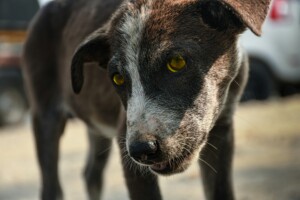 The Illinois Compiled Statutes define cruel treatment as actions such as beating, tormenting, starving, overworking, or otherwise abusing any animal. This includes:
- Failing to provide wholesome food and water in sufficient quantity
- Failing to provide adequate shelter
- Abandoning an animal where it may suffer injury, hunger, or exposure
- Leaving a dog outdoors in extreme heat or cold for a prolonged period
Owners have a duty to provide humane care and prevent suffering. Violations of owner’s duties through neglect are prosecuted under this section.
Penalty: Class A misdemeanor for first offense (up to 1 year in jail, fines up to $2,500). A second or subsequent violation can be charged as a Class 4 felony.
2. Aggravated Cruelty (510 ILCS 70/3.02)
A person commits aggravated cruelty when they intentionally commit an act that causes a companion animal to suffer serious injury or death. This includes intentional killing outside of lawful euthanasia.
The statute specifically addresses harm to companion animals and excludes euthanasia conducted through recognized methods approved by the Department of Agriculture.
Penalty: Class 4 felony for first offense (1-3 years in prison). A second or subsequent conviction is a Class 3 felony (2-5 years in prison).
3. Animal Torture (510 ILCS 70/3.03)
A person commits animal torture when they knowingly or intentionally inflict extreme physical pain on an animal, motivated by an intent to prolong the animal’s suffering. This is the most serious animal cruelty charge in Illinois.
Animal torture is defined as the intentional infliction of extreme physical pain without legal justification.
Penalty: Class 3 felony (2-5 years in prison). Mandatory psychological or psychiatric evaluation is required for anyone convicted of animal torture.
4. Animal Fighting (510 ILCS 70/4.01)
Dog fighting, cock fighting, and other forms of animal fighting are strictly prohibited in Illinois. The law prohibits:
- Owning, breeding, or training animals for fighting
- Facilitating or attending animal fights
- Possessing equipment used for animal fighting
Penalty: Class 4 felony for first offense. Subsequent violations carry enhanced penalties.
Bottom Line: Illinois law categorizes animal cruelty by the intent of the perpetrator and the level of harm caused. The more intentional and severe the conduct, the more serious the charge.
What Punishment Do You Get for Animal Cruelty?
Criminal Penalties
Penalties for animal cruelty range from fines to several years in prison depending on severity and criminal history:
Class B Misdemeanor (Neglect):
- Up to 6 months in jail
- Fines up to $1,500
Class A Misdemeanor (Cruel Treatment):
- Up to 1 year in jail
- Fines up to $2,500
Class 4 Felony (Aggravated Cruelty, First Offense):
- 1-3 years in prison
- Fines up to $25,000
Class 3 Felony (Animal Torture, Subsequent Aggravated Cruelty):
- 2-5 years in prison
- Fines up to $25,000
Additional Consequences
Beyond incarceration and fines, a person convicted of animal cruelty in Illinois faces:
Psychological Evaluation: The court determines whether to order a psychological or psychiatric evaluation. If the convicted person is a juvenile or a companion animal hoarder, the court is required to order an evaluation and appropriate treatment after due consideration.
Treatment Programs: Courts can mandate offenders to undergo treatment at the convicted person’s expense following the evaluation.
Animal Forfeiture: The court determines whether to require forfeiture of the animal involved in the offense.
Ownership Bans: Convicted individuals may be banned from owning, possessing, or residing with animals for a designated period or permanently.
Registry Listing: Mandatory listing on the Animal Abuser Registry affects defendants long-term.
Cost of Care: During prosecution, the State’s Attorney may petition for a court order requiring the defendant to post security covering the cost of care, medical treatment, and boarding for seized animals.

What Evidence Is Used in Animal Abuse Cases?
Prosecutors in animal cruelty cases typically rely on:
Physical Evidence
- Photographs and video of the animal’s condition
- Veterinary records documenting injuries, malnutrition, or neglect
- Necropsy reports if the animal died
- Evidence of inadequate shelter, food, or water
Witness Testimony
- Statements from neighbors, family members, or others who observed conditions
- Testimony from animal control officers or humane investigators
- Expert testimony from licensed veterinarians regarding the animal’s condition
Documentation
- Police reports and investigation records
- Records from animal control or humane society
- Prior complaints or warnings issued to the defendant
Digital Evidence
- Social media posts showing animals or discussing their care
- Text messages or communications about the animals
- Surveillance footage
Bottom Line: Animal cruelty cases are built on physical evidence of the animal’s condition combined with testimony establishing the defendant’s responsibility for that condition.
The Prosecution Process in Cook County
How Investigations Begin
Investigations typically start with:
- Reports from the public (call 911 or contact local animal control)
- Referrals from animal welfare organizations or humane society staff
- Law enforcement observations during other investigations
- Tips to dedicated animal cruelty hotlines
A humane investigator may conduct welfare checks to assess conditions. If an investigation reveals a violation, the humane investigator can issue a notice of violation and may impound the animal if corrective action is not taken within 48 hours.
Agencies Involved
Multiple agencies collaborate on animal cruelty cases in Cook County:
- Chicago Police Department Animal Crimes Unit
- Cook County Animal Care and Control
- Department Against Animal Cruelty (D.A.W.G.)
- Illinois Department of Agriculture (for certain violations)
Law enforcement can immediately seize animals involved in cruelty or neglect cases, with requirements for notification and inventory of seized property.
Defenses Against Animal Cruelty Charges
Lack of Intent or Knowledge
Many animal cruelty charges require proof of intentional or knowing conduct. Defense may argue that harm to the animal was accidental or that the defendant was unaware of the animal’s condition. Demonstrating absence of intent is critical in challenging the prosecution’s case.
Legal Justification
Certain activities are exempt from animal cruelty laws under 510 ILCS 70, including:
- Hunting and fishing conducted lawfully under the Wildlife Code
- Veterinary procedures performed by a licensed veterinarian
- Humane euthanasia through recognized methods approved by the Department of Agriculture
- Legitimate agricultural practices
- Actions taken in self-defense against an aggressive animal
Challenging the Evidence
Defense strategies may include:
- Questioning veterinary records and expert opinions
- Challenging the chain of custody for seized animals
- Disputing the accuracy of the animal’s documented condition
- Presenting alternative explanations for injuries or illness
Unlawful Search and Seizure
If animals or property were seized without proper legal authority, the defense may file motions to suppress evidence obtained through unlawful search and seizure. This requires showing that law enforcement lacked a warrant or valid exception.
Ownership and Responsibility
In some cases, the defense may challenge whether the defendant was actually responsible for the animal’s care or had the ability to provide adequate care.
Charged With Animal Cruelty in Cook County?
Why Early Legal Intervention Matters
Animal cruelty charges move quickly, especially when animals have been seized. Early involvement of a criminal defense attorney allows for:
- Immediate review of the evidence and investigation
- Challenging improper seizures or procedures
- Strategic planning before charges are formally filed
- Negotiation with prosecutors before the case advances
What a Defense Strategy Session Covers
Purav Bhatt is a former Cook County prosecutor who understands how these cases are built and what weaknesses to look for. During a Defense Strategy Session, we review the facts of your case, explain the charges and potential consequences, evaluate possible defenses, and outline strategic options.
Schedule a Defense Strategy Session
If you are facing animal cruelty charges in Cook County, contact The Law Office of Purav Bhatt, P.C. at 773-791-9682 to schedule a Defense Strategy Session.
We represent clients throughout Chicago and Cook County facing misdemeanor and felony animal cruelty charges. Early action protects your rights and improves your options.
Originally Published: April 5th, 2014 | Updated: March 18, 2026