
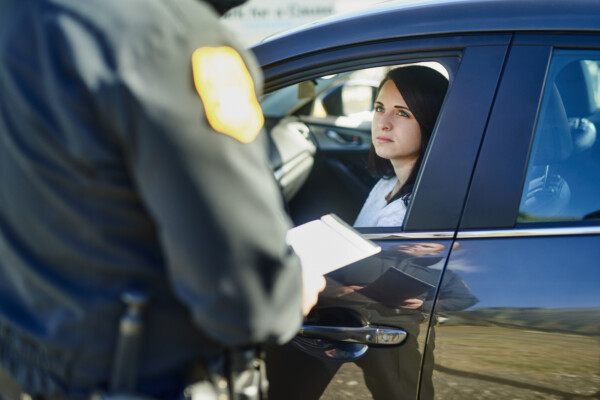
DUI checkpoints are common throughout Chicago, IL and Cook County, especially during holidays and late-night enforcement periods. If you are stopped at a roadside safety check, understanding your rights under Illinois DUI laws is critical.
A DUI arrest can result in license suspension, DUI charges, and long-term consequences within the Illinois criminal justice system. An experienced Chicago DUI lawyer can review whether the stop and investigation complied with Illinois law and determine whether your rights were protected.
Are DUI Checkpoints Legal in Illinois?
Yes. Under Illinois law, DUI checkpoints are legal when law enforcement follows constitutional safeguards. The Illinois Supreme Court permits sobriety checkpoints provided officers operate under a neutral, predetermined plan and avoid arbitrary enforcement.
A Chicago DUI attorney may evaluate whether:
- The checkpoint followed a supervisor-approved plan
- Vehicles were stopped systematically
- The detention remained brief and lawful
If officers fail to follow proper procedures, evidence gathered during the stop may be subject to challenge in your DUI case.
Where and When DUI Checkpoints Occur in Chicago, IL
DUI checkpoints are frequently established in Chicago and throughout Cook County during:
- Holiday weekends
- Late-night hours
- Special events
- High-traffic corridors with prior DUI arrests
Advance notice and proper signage are required under Illinois DUI laws.
What Police Can and Cannot Do at a Checkpoint
At a DUI checkpoint, a police officer may:
- Request your driver’s license, registration, and proof of insurance
- Ask limited questions related to sobriety
- Observe for signs of impairment
However, officers may not:
- Extend the stop without reasonable suspicion
- Conduct searches without consent or probable cause
- Deviate from the neutral checkpoint plan
If questioning becomes prolonged or investigative beyond the scope of a checkpoint stop, a DUI defense attorney may challenge the legality of the detention.
Your Rights During a DUI Stop
You must provide identification and proof of insurance. You are not required to answer questions about alcohol consumption.
You have the right to remain silent beyond providing required documentation. Remaining calm and respectful while asserting your rights is important.
Drivers may legally avoid a checkpoint by taking an alternate route, provided they do not commit a traffic violation.
Field Sobriety Tests and Chemical Testing Under Illinois DUI Law
Field Sobriety Tests
Field sobriety tests are voluntary in Illinois. You may decline to perform them. However, refusal may still be introduced as evidence in a DUI prosecution.
Chemical Testing and Statutory Summary Suspension
Under Illinois’ implied consent law, refusing a chemical test after a DUI arrest triggers statutory summary suspension of your driver’s license.
Failing a breathalyzer test or blood test above the legal limit also results in administrative suspension through the Illinois Secretary of State.
These administrative penalties are separate from the criminal DUI charges.
What Happens After a DUI Arrest in Chicago?
A DUI arrest may lead to:
- Immediate custody
- Vehicle impoundment
- Statutory summary suspension
- Criminal charges filed in Cook County
Penalties imposed for DUI offenses can include:
- Fines
- Court supervision
- Community service
- Mandatory alcohol treatment
- Jail time in aggravated DUI cases
Aggravated DUI is charged when factors such as bodily harm, repeat offenses, or driving on a suspended license are present.
A DUI conviction becomes part of your criminal record and may affect employment, professional licensing, and insurance rates.
Common Legal Issues in Checkpoint DUI Cases
A Chicago DUI lawyer reviewing a checkpoint arrest may examine:
- Whether the checkpoint complied with Illinois law
- Whether probable cause existed for the DUI arrest
- Breathalyzer calibration and maintenance records
- Officer training and certification
- Constitutional violations during the stop
The prosecution must prove impairment beyond a reasonable doubt. A criminal defense lawyer will carefully analyze whether the state can meet that burden.
How a Chicago DUI Defense Attorney Builds a Defense
Every DUI case is fact-specific. An experienced Chicago DUI attorney may challenge:
- The legality of the checkpoint
- The basis for probable cause
- The reliability of chemical testing
- Errors in police reports
Strategic review of these issues can influence the direction of a DUI defense and overall case strategy.
Driver’s License Consequences and Reinstatement
After statutory summary suspension, drivers may qualify for:
- Monitoring Device Driving Permit (first-time DUI offenders)
- Restricted Driving Permit in limited situations
Reinstating driving privileges requires navigating both the criminal court process and the Illinois Secretary of State administrative system.
An experienced DUI defense attorney can explain the legal process and available options based on your record and the nature of the DUI charges.
When to Contact a Chicago DUI Attorney
You should consult a Chicago DUI lawyer if:
- You were arrested at a checkpoint
- You received notice of statutory summary suspension
- You refused chemical testing
- You face aggravated DUI or repeat DUI charges
DUI offenses move quickly through the Illinois criminal justice system. Early evaluation allows for preservation of evidence and structured defense planning.
Schedule a Defense Strategy Session
If you are facing DUI charges in Chicago, IL, structured legal strategy matters.
The Law Office of Purav Bhatt, P.C. is led by former Cook County prosecutor Purav Bhatt and represents individuals charged with DUI and other criminal offenses throughout Chicago and Cook County.
The firm begins with a Defense Strategy Session focused on reviewing the facts of your DUI arrest, evaluating potential defenses, and outlining next steps under Illinois law. Schedule a Defense Strategy Session to discuss your DUI case and protect your driver’s license, your record, and your future.