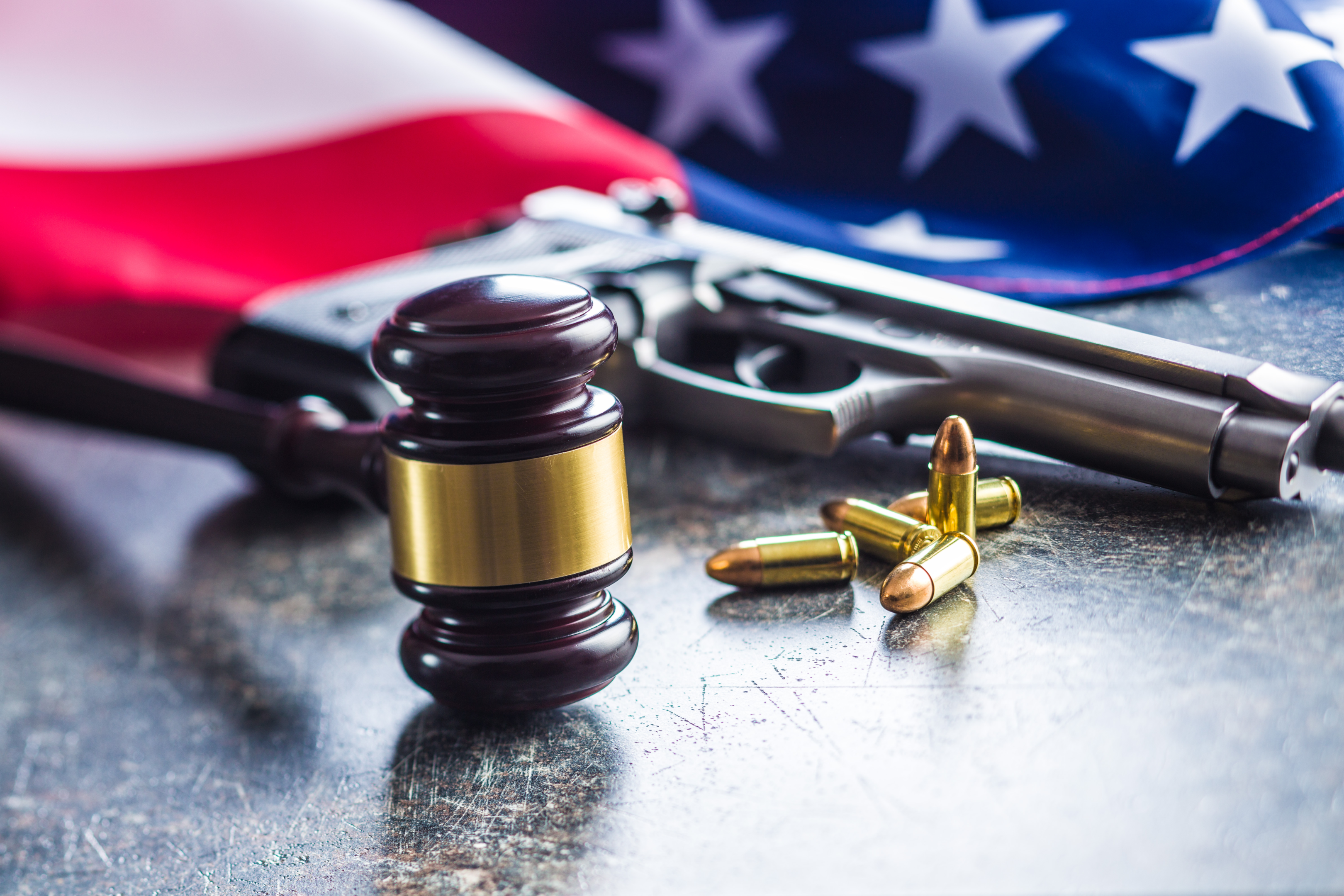

Facing weapons charges in Chicago, Illinois, can feel overwhelming, especially with the state’s complex and often unforgiving gun laws. A single mistake, such as carrying a firearm without the proper permit or misunderstanding transport rules, can quickly escalate into serious criminal charges that threaten your freedom and future.
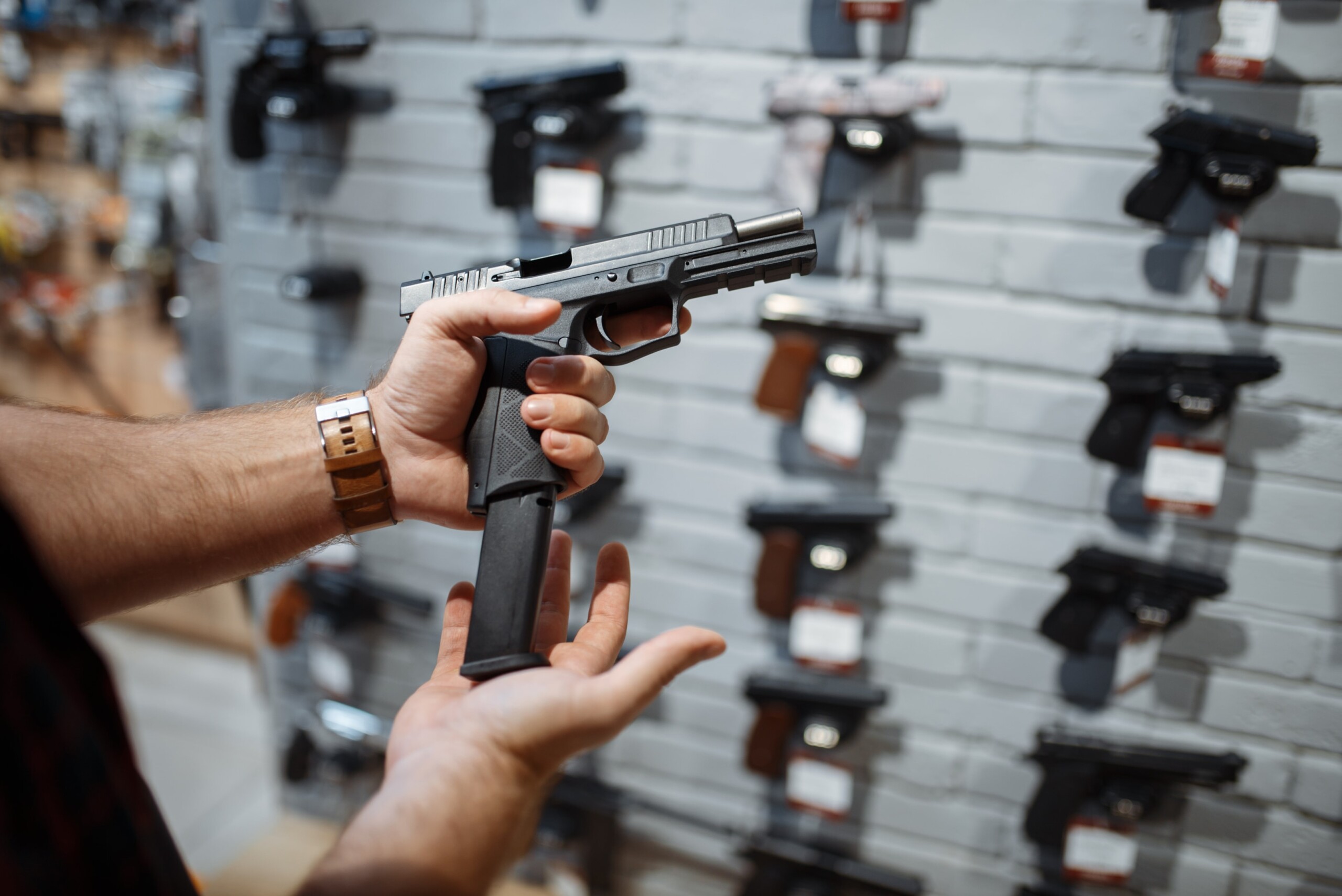
In this guide, we break down the key strategies for navigating Illinois weapons charges, from understanding permits and common pitfalls to recognizing the penalties you could face. Whether you are currently dealing with a weapons case or want to stay informed, this overview will help you better understand your rights and how to protect them.
If you are facing weapons charges in Illinois, having the right defense team can make all the difference. At The Law Office of Purav Bhatt, you will be represented by a powerful team: Attorney Purav Bhatt, a former prosecutor with deep insight into how the state builds its cases, and Attorney Anthony Villalobos, an experienced criminal defense attorney dedicated to protecting the rights of clients across Chicago. Together, they bring knowledge, strategy, and relentless advocacy to every case. Call us today at 773-791-9682 to speak with our team and put experienced Chicago gun crime lawyers in your corner.
👉Also Read: Facing Gun Crime Charges in Chicago? Here’s Why You Need a Top Defense Attorney
Understanding Illinois Gun Laws
Illinois is known for having some of the strictest gun laws in the United States, making it essential for prospective gun owners to fully understand their rights and responsibilities. The state has enacted numerous regulations to reduce gun violence and promote public safety, including age restrictions and concealed carry requirements. For example, individuals under 21 are prohibited from possessing handguns unless they have written consent from a parent or guardian.
Carrying a firearm in Chicago, Illinois, is subject to strict rules:
- It is illegal to carry a firearm in any vehicle or on your person without a valid concealed carry permit, except in your own home or place of business.
- A mandatory 72-hour waiting period applies to firearm purchases.
- During this waiting period, the seller must retain a record of the transaction.
This waiting period is intended to deter impulsive acts of gun violence and ensure that firearm transfers are conducted responsibly.
Transportation of firearms in Chicago, Illinois, requires compliance with the following regulations:
- Firearms must be transported unloaded.
- Firearms must be enclosed in a gun case during travel.
- While there is no statewide ban on assault weapons, local municipalities may impose stricter regulations.
Because laws can vary depending on where you live or travel within Illinois, it is critical to comply with both state and local regulations to avoid serious penalties or weapons charges.
Firearm Owner’s Identification Card
In Illinois, a Firearm Owner’s Identification (FOID) card is a mandatory requirement for anyone who wishes to legally possess or purchase firearms and firearm ammunition. Issued by the Illinois State Police, the FOID card acts as a safeguard, ensuring that only qualified individuals have access to firearms.
To obtain a FOID card, applicants must meet specific eligibility requirements. They must be U.S. citizens or lawful permanent residents of Illinois and must not have been admitted to a mental health facility within the past five years. Certain individuals are barred from obtaining a FOID card altogether, including those with felony convictions, domestic violence convictions, or orders of protection against them.
Penalties for possessing or purchasing a firearm without a valid FOID card are severe and may include:
- Criminal charges ranging from misdemeanors to felony offenses
- Potential imprisonment of up to 15 years, depending on the circumstances
- Long-term consequences of a felony conviction, including restrictions on future firearm ownership
Additionally, private sales of firearms, including those conducted at gun shows, require sellers to verify that the buyer has a valid FOID card and to complete a background check through the Illinois State Police.
The FOID card is more than just an administrative requirement; it is a central component of Illinois’ firearm regulatory system. By ensuring that all gun owners are vetted and meet eligibility standards, the FOID card plays a critical role in preventing unlawful gun possession and promoting responsible gun ownership.
Concealed Carry License (CCL) Requirements
Obtaining a Concealed Carry License (CCL) in Illinois requires meeting strict eligibility and training standards designed to ensure that only responsible, qualified individuals may carry concealed firearms.
To qualify for a CCL, applicants must:
- Be at least 21 years old
- Possess a valid Firearm Owner’s Identification (FOID) card
- Successfully complete at least 16 hours of training from a state-approved instructor
The required training combines classroom instruction with live-fire exercises to confirm that applicants understand firearm safety, handling, and the laws surrounding the use of deadly force.
The application process involves additional steps, including:
- Submitting an electronic photo taken within the last 30 days
- Providing electronic fingerprints (optional, but strongly recommended to speed up processing)
- Undergoing a comprehensive background check conducted by the Illinois State Police
Fees for a CCL include:
- $150 for Illinois residents (valid for five years)
- $300 for non-residents, provided their home state has firearm laws substantially similar to Illinois
Important Restrictions on Concealed Carry in Illinois:
Even with a valid CCL, there are specific locations where carrying a firearm is strictly prohibited. These include:
- Schools and childcare facilities
- Government buildings and courthouses
- Public transportation
- Establishments where alcohol sales account for more than 50% of revenue
- Stadiums, arenas, and public events
- Hospitals and mental health facilities
- Public playgrounds, parks, and certain areas designated as “gun-free zones”
Violating these restrictions can lead to serious criminal penalties, including the suspension or revocation of your license.
Illinois law makes clear that carrying concealed weapons or firearms is a privilege granted only to those who meet the state’s rigorous requirements. By requiring extensive training, identity verification, and background checks, and by enforcing strict location restrictions, the state aims to balance individual gun rights with public safety.
👉Also Read: Successful Defense Results in Dismissal of UUW Charge in Chicago – Felony Downgraded
Common Missteps Leading to Unlawful Use of a Weapon Charges
Even experienced gun owners in Illinois can unintentionally violate the law and face serious criminal charges. Unlawful Use of a Weapon (UUW) is one of the most common charges related to firearms, and it can arise from seemingly minor mistakes. Understanding the pitfalls can help you avoid legal trouble and protect your rights.
Some of the most common missteps include:
- Possessing a Firearm Without a FOID Card
Carrying or owning a firearm without a valid Firearm Owner’s Identification (FOID) card is a serious offense that can result in misdemeanor or felony charges. - Carrying a Concealed Firearm Without a CCL
Even if you have a FOID card, carrying a firearm on your person or in a vehicle without a valid Concealed Carry License (CCL) can trigger UUW charges. - Violating Location Restrictions
Bringing a firearm into prohibited areas, such as schools, government buildings, bars, or public events can lead to felony charges, even if the weapon is legally owned. - Improper Storage or Transportation
Firearms must be transported unloaded and enclosed in a gun case when traveling. Leaving a loaded weapon accessible in a vehicle or improperly securing it at home can result in legal consequences. - Possession While Committing Another Offense
Having a firearm while committing a misdemeanor or felony, such as theft, domestic violence, or drug offenses can elevate charges to unlawful use of a weapon, leading to enhanced penalties. - Failure to Understand Local Ordinances
Illinois law allows municipalities to enact stricter regulations than the state. Failing to comply with local rules, such as bans on certain firearms or ammunition, can result in unexpected charges.
Even minor oversights can carry severe consequences under Illinois law. Many individuals facing UUW charges never intended to break the law but find themselves facing fines, probation, or prison time due to misunderstanding or neglecting firearm regulations.
Aggravated Unlawful Possession of a Weapon
Aggravated Unlawful Use of a Weapon (AUUW) in Illinois is a serious criminal charge that arises under specific circumstances. This offense typically occurs when a firearm is loaded, uncased, and readily accessible in a prohibited location. Unlike standard unlawful possession charges, AUUW is treated more severely due to the increased risk posed by the circumstances.
Penalties for AUUW include:
- First Offense: Classified as a Class 4 felony, carrying a prison term of 1 to 3 years.
- Subsequent Offenses: Upgraded to a Class 2 felony, with potential imprisonment of 3 to 7 years.
- Enhanced Penalties: If the individual is found in possession of a firearm while wearing body armor and without a valid Firearm Owner’s Identification (FOID) card, the gun offense escalates to a Class X felony, punishable by 6 to 30 years in prison.
Aggravated unlawful possession of a weapon is distinguished from standard firearm violations by the specific conditions under which the firearm is possessed or carried. These circumstances reflect the law’s emphasis on preventing situations that pose a heightened risk to public safety.
Understanding what constitutes AUUW, as well as the serious legal consequences, is critical for anyone navigating Illinois’ stringent gun laws. Awareness of these regulations can help individuals take the necessary precautions to avoid actions that could lead to felony charges, lengthy prison sentences, and long-term repercussions on their rights and record.
Example Scenario:
Imagine a person legally owns a firearm and has a valid FOID card. They place a loaded handgun in their car, uncased and within easy reach, while driving through the city. Unbeknownst to them, they are passing through a zone where firearms are prohibited, such as near a school or government building. Even though they had no intent to commit a crime, these circumstances could lead to an Aggravated Unlawful Use of a Weapon charge.
This example highlights how easily one can unintentionally violate Illinois’ strict gun laws. AUUW charges do not require the firearm to be used; mere possession under prohibited conditions is enough to trigger serious legal consequences. Consulting with experienced gun lawyers Chicago is essential in these cases to navigate the complexities of the law and protect your rights.
Penalties for Weapons Charges in Illinois
Penalties for weapons charges in Illinois vary widely, depending on the type of offense, the circumstances of the case, and the individual’s prior criminal history. Charges can range from misdemeanors to Class X felonies, with significant fines and potential prison time.
Key examples of penalties include:
- Possessing a firearm without a FOID card: For individuals who are legally ineligible to possess a firearm, this can be charged as a Class 3 felony. For eligible individuals with prior violations, a second offense may be charged as a Class 4 felony.
- Possessing prohibited firearms or ammunition: This can result in severe felony charges, substantial fines, and long-term imprisonment.
- Using a firearm during the commission of another crime: This significantly increases the severity of penalties, potentially elevating a lesser offense to a serious felony.
The severity of penalties is also influenced by aggravating factors, such as prior convictions, the number of firearms involved, the context in which the firearm was possessed, and evidence of intent. Demonstrating a lack of intent to commit a crime can sometimes be a critical factor in negotiating lesser charges or reduced sentencing.
Individuals charged with multiple weapons offenses may face compounded penalties, with each violation potentially resulting in additional charges and longer prison terms. Understanding the full range of penalties and the factors that influence sentencing is essential for navigating Illinois’ complex weapons laws and protecting one’s rights in the criminal justice system.
Collateral Consequences of a Conviction
A conviction for a gun-related felony in Illinois carries serious consequences that extend far beyond fines or prison time. These collateral effects can have a lasting impact on nearly every aspect of an individual’s life.
Some of the most significant consequences include:
- Loss of firearm rights: Convicted felons lose the legal ability to own or possess firearms.
- Permanent criminal record: A felony conviction creates a lasting record that can affect housing, professional licensing, and public reputation.
- Employment restrictions: Certain fields, such as law enforcement, security, or positions requiring a clean record, may become inaccessible.
- Financial burdens: Beyond legal fees, individuals may face loss of income, difficulty securing loans, and other economic challenges.
- Immigration consequences: Non-citizens may face deportation, denial of citizenship, or other immigration penalties.
- Impact on personal relationships: Convictions can strain family ties, friendships, and social standing.
Understanding these long-term consequences highlights the importance of avoiding felony convictions and seeking experienced legal representation when facing weapons charges. Navigating Illinois’ strict gun laws carefully is critical to protecting not only your freedom but your future.
Defense Strategies for Weapons Charges
Facing weapons charges in Illinois requires a carefully planned and robust defense strategy. The right approach can make the difference between a conviction and a favorable outcome. Effective defense strategies often include:
- Challenging evidence obtained through illegal searches: Evidence obtained without proper legal procedures can be excluded, significantly weakening the prosecution’s case.
- Claiming self-defense: If the defendant reasonably believed they were in imminent danger, a self-defense argument may be applicable.
- Identifying constitutional violations: Unlawful searches, improper police conduct, or other breaches of constitutional rights can form the basis for challenging or even dismissing charges.
Legal representation is essential for navigating these defenses. Key aspects of a skilled criminal defense include:
- Knowing how to question witnesses and scrutinize the prosecution’s evidence
- Aggressively advocating for the client’s rights, including seeking case dismissal or charge reduction
- Identifying procedural errors or weaknesses in the prosecution’s case
- Presenting compelling arguments in court to protect the client’s freedom and future
A strong defense often hinges on the attorney’s ability to anticipate challenges, craft strategic arguments, and leverage legal knowledge effectively.
Navigating Illinois’ complex weapons laws demands both experience and strategic insight. By employing proven defense strategies and securing knowledgeable legal representation, defendants facing weapons charges in Chicago can maximize their chances of achieving favorable outcomes.
The Role of Experienced Criminal Defense Attorneys in Chicago, Illinois
When facing weapons or gun charges in Chicago, having an experienced Chicago criminal defense attorney can be the most critical factor in protecting your rights, freedom, and future. Illinois’ firearm laws are complex and strictly enforced, and even minor missteps can result in severe legal consequences, including felony convictions, prison time, and long-term collateral effects.
Experienced criminal defense attorneys in Chicago play several key roles:
- Legal Guidance: They explain the nuances of Illinois’ gun laws, including FOID and Concealed Carry License (CCL) requirements, as well as local ordinances, helping clients understand their rights and responsibilities.
- Case Evaluation: Attorneys assess the specific circumstances of the arrest or charges, identify weaknesses in the prosecution’s evidence, and determine the most effective defense strategies.
- Negotiation and Advocacy: Skilled gun lawyers in Chicago negotiate with prosecutors to seek reduced charges, alternative sentencing, or dismissal when appropriate, while also preparing a strong case for trial if necessary.
- Courtroom Representation: They provide advocacy in court, cross-examining witnesses, challenging illegally obtained evidence, and presenting compelling legal arguments to protect their client’s interests.
- Mitigation of Consequences: Beyond the immediate charges, gun attorneys in Chicago advise clients on the long-term implications of a conviction, including employment restrictions, firearm rights, and other collateral consequences, helping clients make informed decisions.
In Chicago, a strong defense requires more than familiarity with the law—it demands strategic thinking, courtroom experience, and a deep understanding of how prosecutors build cases. Attorneys like Purav Bhatt and Anthony Villalobos bring years of experience and insight, ensuring clients receive aggressive, informed, and personalized representation in all firearms and weapons cases.
Having seasoned criminal defense attorneys on your side can make the difference between a conviction and a favorable outcome, safeguarding not just your freedom, but your future.
👉Also Read: Crafting Success Stories: How A Chicago Criminal Defense Attorney Can Secure the Best Results For You
Protect Your Rights—Contact Experienced Chicago Gun Lawyers Today
If you are currently facing weapons or gun-related charges in Chicago, time is critical. Every decision you make can impact your rights, freedom, and future. Attorneys Purav Bhatt and Anthony Villalobos bring years of experience defending clients against FOID violations, Concealed Carry License infractions, unlawful use of a weapon, and felony firearm charges. With their aggressive, strategic, and personalized approach, they work to protect your rights, challenge evidence, and seek the best possible outcome in your case. Don’t wait, contact the Law Office of Purav Bhatt immediately to schedule a consultation and take decisive action to safeguard your freedom.